

01
Sep
2026
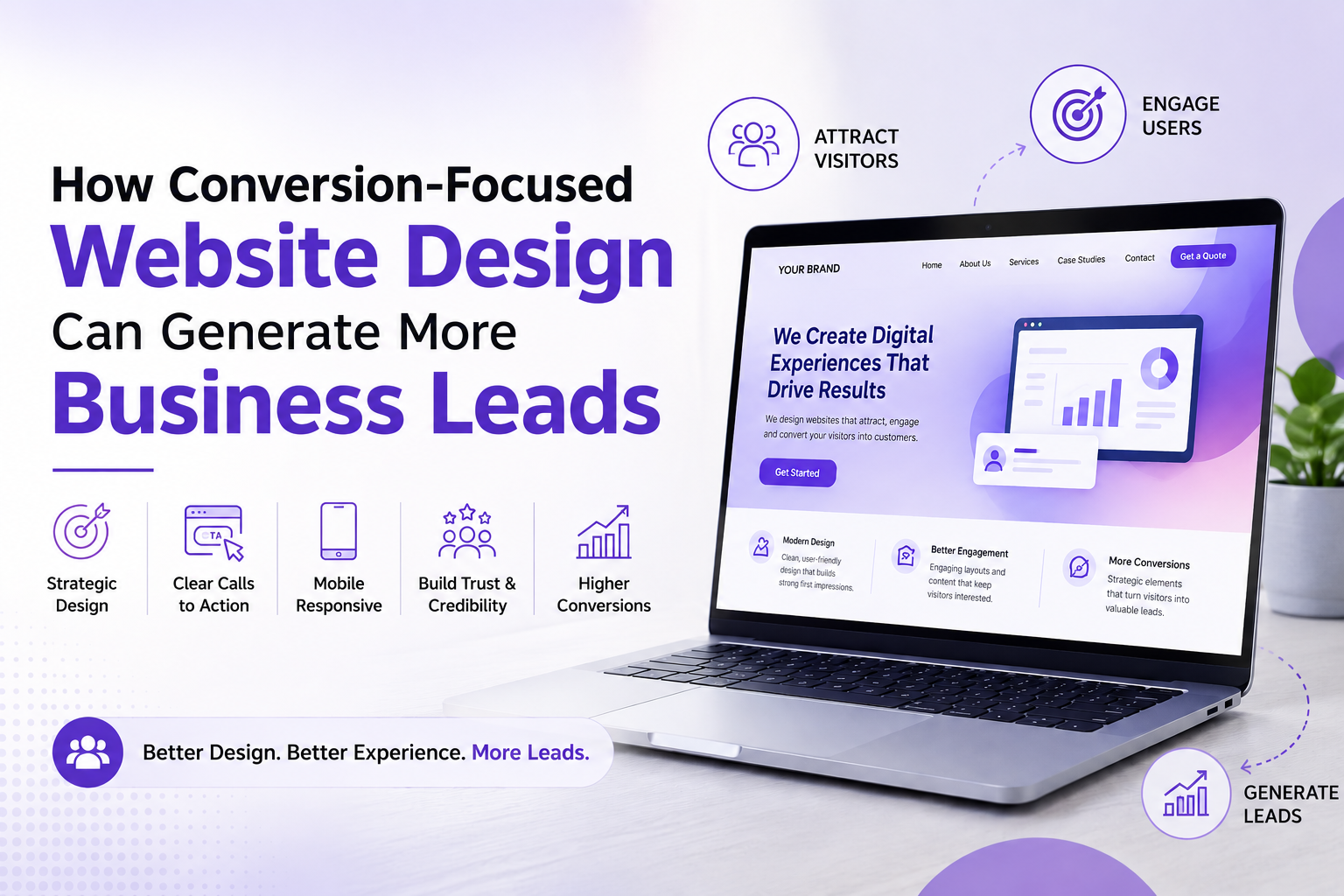
A website is no longer just an online brochure for a business. It is one of the most important touchpoints between a brand and its potential customers. A visually attractive website may create a good first impression, but a conversion-focused website design goes one step further—it guides visitors toward taking meaningful actions such as submitting an enquiry, requesting a quotation, booking a consultation, calling the business, or making a purchase.
For businesses competing in today's digital-first market, combining attractive design with usability, clear messaging, and strategic calls-to-action can significantly improve lead generation.
What Is Conversion-Focused Website Design?
Conversion-focused website design is an approach that builds a website around a specific business goal. Instead of designing pages only for aesthetics, every element is planned to encourage visitors to take the next step.
This includes the website layout, navigation, content, images, forms, buttons, page speed, mobile responsiveness, and overall user experience. When these elements work together, visitors can quickly understand what a business offers and why they should choose it.
A well-designed website should answer three important questions almost immediately:
What does the business offer?
Why should customers trust the business?
What should visitors do next?
Clear Calls-to-Action Generate More Enquiries
One of the most important elements of a lead-generating website is a strong call-to-action (CTA). Visitors should not have to search for the next step.
Buttons such as “Get a Quote,” “Contact Us,” “Book a Consultation,” “Request a Callback,” or “Shop Now” can direct users toward conversion.
CTAs should be strategically placed throughout the website, especially on the homepage, service pages, landing pages, and contact sections. Using clear and action-oriented language makes it easier for visitors to take action.
Simple Navigation Improves User Experience
Complicated navigation can cause potential customers to leave a website before they find the information they need. Conversion-focused design keeps navigation simple and logical.
Important pages such as Services, About Us, Products, Case Studies, Contact, and FAQs should be easy to find. A clear navigation structure helps users move through the website without confusion.
When visitors can quickly locate relevant information, they are more likely to remain engaged and eventually become leads.
Mobile-Friendly Design Is Essential
A significant amount of online browsing happens on smartphones. This makes responsive website design essential for businesses.
A mobile-friendly website automatically adjusts its layout, images, buttons, forms, and content according to the user's screen size. Poor mobile experiences can result in visitors leaving the website before contacting the business.
A conversion-focused website should therefore provide a seamless experience across smartphones, tablets, laptops, and desktops.
Build Trust Through Website Design
Trust plays a major role in the decision-making process. Before submitting an enquiry, customers often look for signals that a business is credible and reliable.
Websites can build trust by highlighting:
Client testimonials
Case studies
Certifications and awards
Industry experience
Client logos
Product information
Reviews and ratings
Previous projects
Contact details
Professional visuals and consistent branding also help create a stronger perception of credibility.
Fast Loading Pages Improve Conversions
Website speed is another important factor in user experience. Visitors generally expect websites to load quickly. Slow pages can increase frustration and may cause potential customers to leave.
Optimising images, reducing unnecessary scripts, improving hosting performance, and using efficient website code can help create a faster browsing experience.
A fast website not only improves usability but also supports a smoother path toward conversion.
Landing Pages Should Have One Clear Goal
Businesses running Google Ads, social media campaigns, or other digital advertising should consider using dedicated landing pages.
Instead of sending advertising traffic to a generic homepage, a landing page can focus on a particular product, service, offer, or audience. It can include a strong headline, relevant benefits, supporting information, trust signals, and a prominent CTA.
This focused approach can make it easier for visitors to understand the offer and take action.
Use Analytics to Improve Website Performance
Website design should not be a one-time activity. Businesses can use analytics and conversion data to understand how visitors interact with their websites.
Metrics such as traffic sources, popular pages, bounce rates, form submissions, and conversion rates can provide valuable insights.
Businesses can then test different headlines, CTA placements, forms, layouts, and content to identify what performs better. This continuous optimisation can gradually improve lead-generation performance.
Conclusion
A successful business website needs more than attractive graphics. It needs a clear strategy designed around the customer's journey and the business's conversion goals.
From simple navigation and mobile responsiveness to strong CTAs, trust signals, fast loading speeds, landing pages, and performance tracking, every element can contribute to generating better-quality leads.
For businesses looking to strengthen their digital presence, Magic Pencil combines creative thinking, digital expertise, branding, and performance-focused strategies to help brands communicate effectively and connect with their target audiences.
A conversion-focused website is not simply a digital presence it can become a powerful business development tool that turns website visitors into genuine opportunities.
Get in Touch